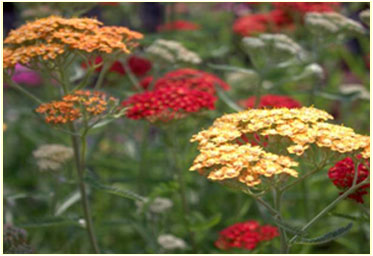
How to Plant Perennials
- Dig a hole twice the size of the root ball (or till up your new planting bed), and work in plenty of organic material.
- Gently remove the plant from the pot. Be careful – the stems are fragile!
- If the plant is root-bound, gently loosen or slice the roots a little before planting.
- Plant perennials at the same depth they were in the original pot.
- Fill in around the plant with soil, and tramp down gently. Sprinkle in a little bone meal (or other source of phosphorus) in the fill dirt, to help the roots become established.
- Water well. Plan to water every few days for the first week, then at least once a week for 3-4 more weeks. If you’re planting in summer, you’ll need to water regularly until the weather cools.
- Add a 2”- 3” layer of mulch around the plants.
Dividing Perennials
When your perennials start dying out in the middle or outgrowing their space in the garden, it's time to divide and give them a fresh start.
A good general rule to follow is to divide spring and summer blooming perennials in the fall and fall blooming perennials in the spring.
To reduce stress to the plant, water thoroughly the day before dividing. This will help to ensure success. You can also reduce the foliage by cutting back about 1/3 of the growth before you divide, so your perennial will have less work to do to maintain the leaves.
It's usually easiest to lift the entire plant before dividing. Dig around the outside perimeter of the plant with a flat-edged spade. Slice down at least 6 inches for most plants, and more if it is an exceptionally large, well-rooted plant. Try to lift as much of the root ball as possible.
Separate the plant into smaller divisions by teasing the roots apart or cutting them with a sharp knife or spade. Each division should have 3 to 5 vigorous shoots and a healthy supply of roots. Keep these divisions shaded and moist until they are replanted. |